Optimising Your PPC Budget
Are you still paying for traffic you’d have got for free?
Eskimoz App gives you the tools to allocate your spend intelligently between SEO and PPC, protect your brand and free up budget where it is no longer creating value.
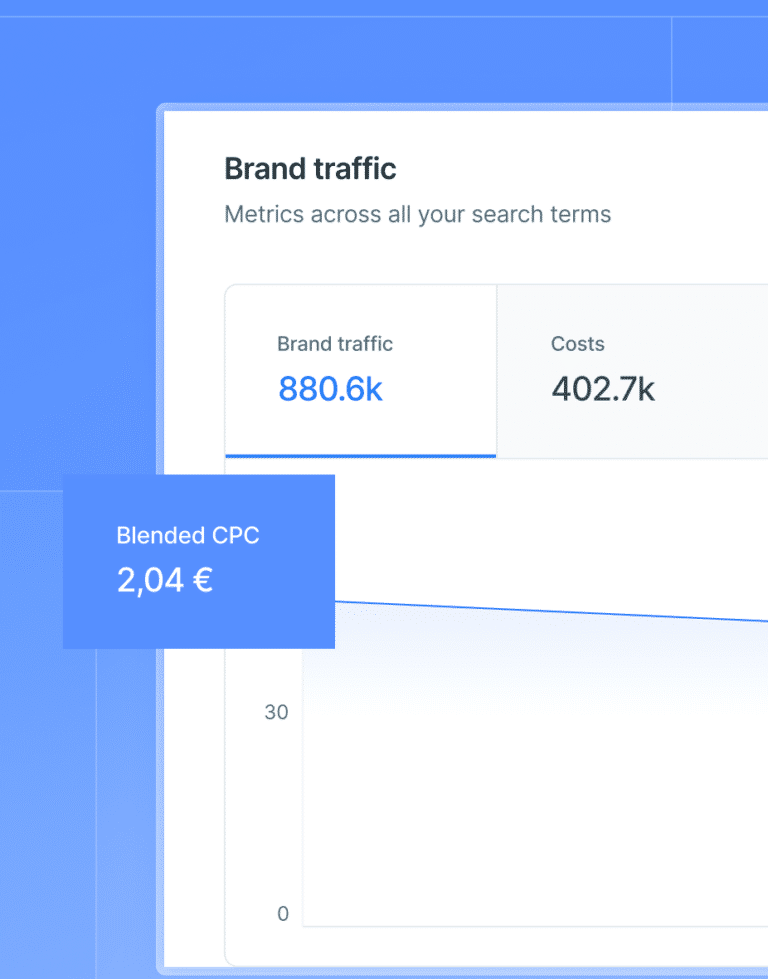
Without precise management, PPC budgets get optimised by instinct.
With Eskimoz App:
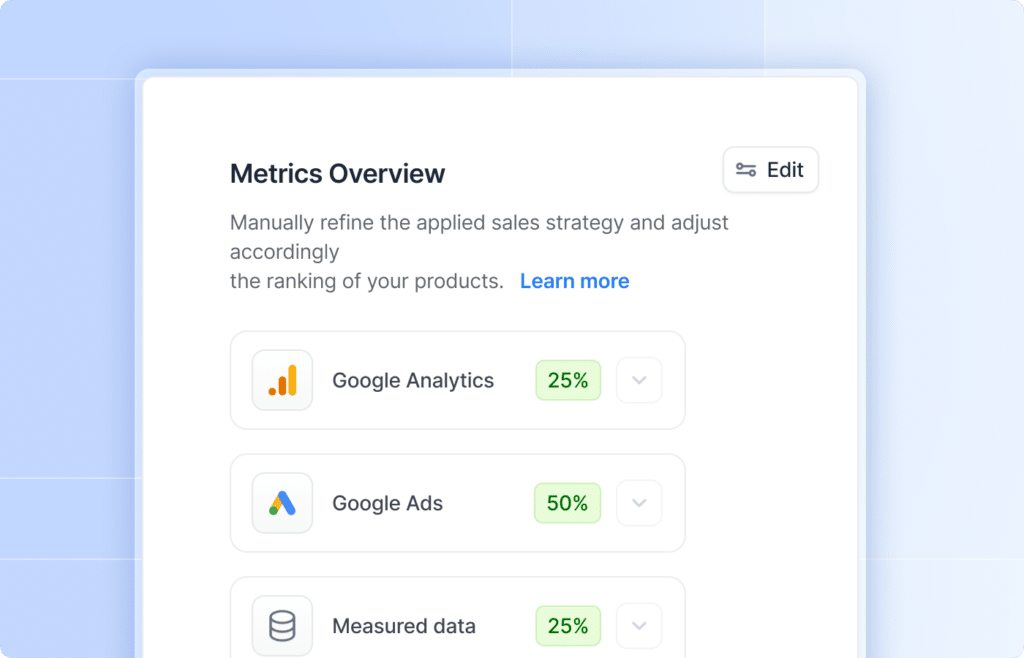
An Expensive Channel, Often Managed on Autopilot
In many Google Ads accounts, brand term campaigns are renewed without ever being truly challenged. You defend out of habit, not conviction.
Result: budgets maintained with no real competitive pressure, attacks detected too late, and paid investment on queries already well covered organically. You end up paying for traffic you would have captured anyway. The challenge is no longer simply to be present. It is to understand when to defend, when to reduce and how to balance SEO and PPC based on the real context.
Eskimoz App
4 tools working together to optimise your PPC budget and sharpen your decision-making.
Brand Protector
Detect in real time the advertisers bidding on your brand, measure competitive pressure and analyse their messaging: pricing, promotions, alternatives.
Discover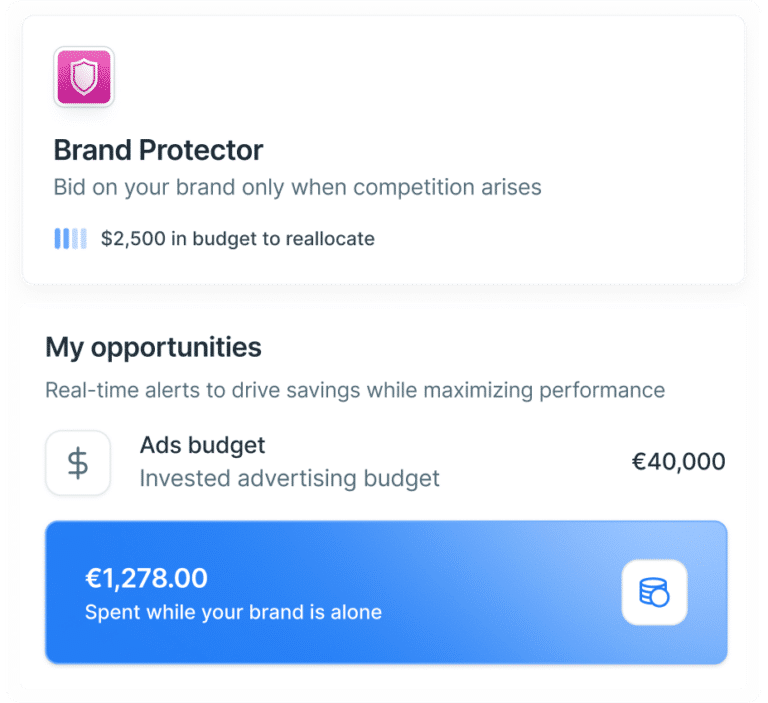
Unify
Measure the synergy between SEO and PPC to understand the real coverage of your keywords and identify where paid is creating incremental value — and where it is duplicating effort.
Discover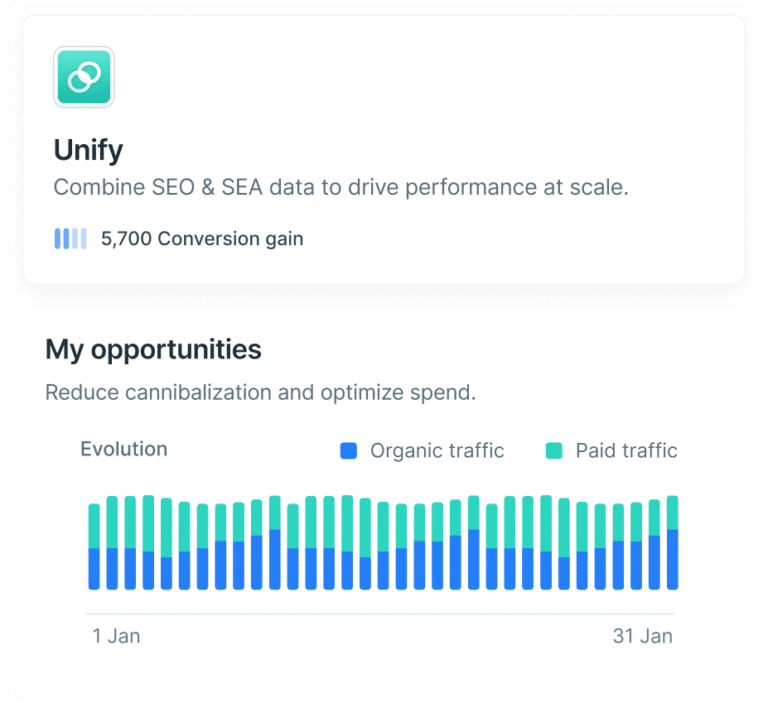
Performance
Analyse the concrete impact of your campaigns on traffic, conversions and business contribution — before and after every decision.
Discover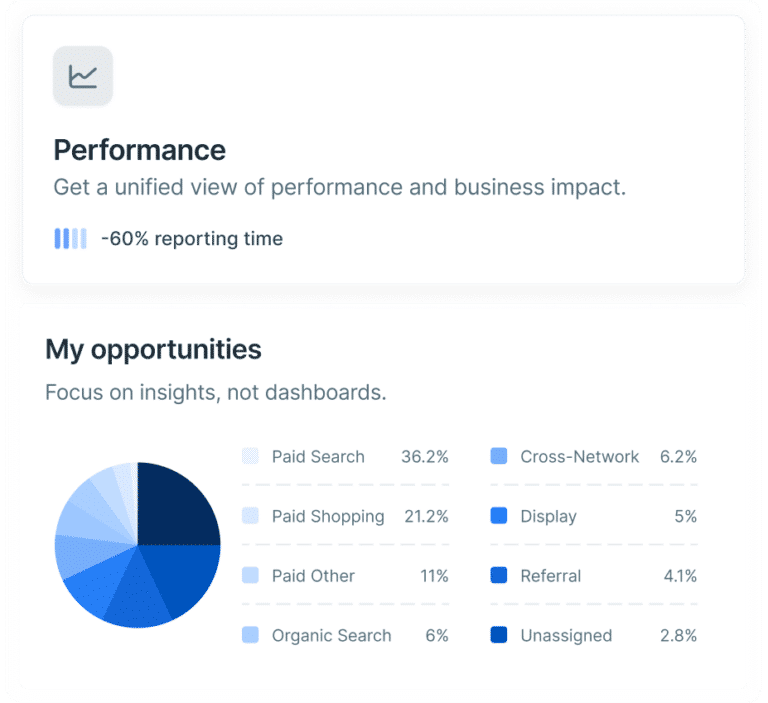
Omnichannel
Visualise the performance of all your marketing channels to make informed allocation decisions, without working in silos.
Discover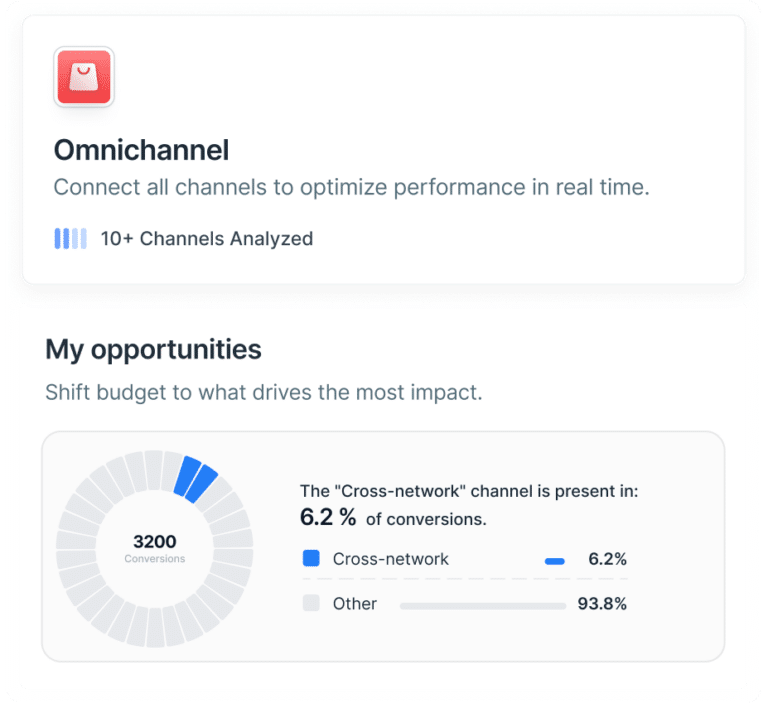

5 steps to optimise your PPC budget

Optimize your budgets
FAQ
Should I always bid on my brand?
Not necessarily. If you are not under attack and your SEO is already efficiently capturing demand, maintaining significant PPC investment may generate cost without incremental value. However, as soon as competitive pressure appears, PPC once again becomes an essential line of defence. The challenge is to adapt your presence to the context — not to stay “always-on” out of habit.
How do I know if my SEO is already covering demand?
Unify analyses the split between SEO and PPC on your brand keywords and identifies cases of overlap. If your site is already capturing a large share of clicks organically, PPC may be partially redundant. If SEO is weak or unstable, paid plays a key role in securing traffic. The answer lies in the data, not in intuition.
What are the risks of reducing my budget?
The main risk is losing visibility if SEO does not fully compensate — or if a competitive attack occurs at the wrong moment. The impact can also be delayed, with a gradual deterioration rather than an immediate one. That is why any reduction must be accompanied by close monitoring of key indicators to detect any anomaly quickly.
How long before the effects of an optimisation are visible?
The first impacts on PPC metrics (CPC, impressions, CTR) can be visible within a few days. To properly assess business impact (conversions, overall contribution), several weeks of observation are needed to smooth out seasonality and user behaviour effects.
Can SEO replace PPC?
It can cover a large share of brand query demand if the site is well positioned. But it does not fully replace PPC, which remains an essential line of defence against competition. The goal is not to choose one over the other — it is to find the right balance based on the context.
How do I detect a performance deterioration?
Signals to watch: a drop in brand traffic, a decrease in conversion rate, a fall in CTR or impression share. The important thing is to monitor these continuously to quickly identify any anomaly and adjust before it has a significant business impact.
How do I balance SEO and PPC?
The right approach is one of complementarity. PPC steps in to protect your brand when under attack, or to capture demand that SEO is not covering adequately. When SEO is dominant, paid can be reduced. Omnichannel gives you the joined-up view you need to make these decisions with confidence.
How do I know if my optimisations are working?
By linking your actions to concrete business indicators: changes in traffic, conversions, revenue and contribution by channel. Performance allows these impacts to be analysed and confirms whether your decisions are moving in the right direction — or whether they need adjusting.