Motion design: Innovative and engaging content!
Thanks to its concise format and striking visual appeal, motion design grabs the audience’s attention and generates meaningful interaction.
What is a motion design video?
Motion design: bringing images to life
The art of motion design involves the animation of graphic elements such as drawings, characters, and icons. Its aim is to create short-format videos that are driven by movement and accompanied by background music, sound effects, or voiceovers. Situated at the crossroads of graphic art, audiovisuals, creativity, and communication, motion design enables the dynamic illustration of concepts, ideas, or facts while effectively conveying messages. Although this animation technique has existed since the early days of cinema, it has witnessed exponential growth in recent years with the rise of digital technology and the evolution of tools. Today, motion design can be found in various mediums, including television commercials, music videos, film and series opening sequences, and, of course, on the web.

The role of motion design in marketing
Motion design videos have become a significant underlying trend in content marketing and branded content. As a result, they are increasingly sought after by audiences, presenting a valuable opportunity for brands. This success can be attributed to the growing public interest in video content (which accounts for over three-quarters of web content consumption) and the demand for short, impactful content (known as “snack content”). In this context, motion design videos have emerged as a highly effective communication tool for businesses and brands, regardless of their size or industry. They offer undeniable advantages, including short duration (under 2 minutes), visually captivating aesthetics, easy memorability, attractiveness, adaptability, quick production, and cost-effectiveness. Moreover, motion design has become the go-to format for engagement on social media platforms.

Who can benefit from motion design?
One of the key advantages of motion design lies in its accessibility. By eliminating the need for cameras, filming, and actors, this technique opens up limitless creative possibilities and can be tailored to suit any budget. Consequently, it caters to businesses of all profiles, from entrepreneurs to large corporations, local neighbourhood retailers to major retail chains, and family-owned SMEs to multinational corporations. Motion design holds advantages for all sectors of activity, even those with specialised or technical focuses. This versatility is what contributes to the widespread success of motion design among marketing professionals.
Good to know
Motion design isn’t meant to tell a story; its purpose is to visually depict a concept, idea, information, or message through graphic metaphors in a concise format. If you want to develop a narrative using characters and situations, it’s best to opt for a more traditional animation technique.

Why create motion design videos?
The purpose of motion design
Motion design is employed to create concise and impactful videos that are original, visually appealing, captivating, and engaging. It can be used within a marketing strategy or an internal communication campaign to produce promotional or corporate videos, tutorials, banners, data presentations, informative content, and educational materials. It simplifies concepts, illustrates ideas, highlights information, and explains products or services. It can adapt its style – whether serious or humorous, conventional or unconventional, in 2D or 3D – based on the subject, target audience, and objectives. This makes it an ideal communication tool for capturing attention, driving engagement, encouraging sharing, and standing out.
Types of content created through motion design
Although we commonly refer to “motion design videos,” video format is just one of the many animation possibilities enabled by this technique. Let’s explore the various applications and purposes of motion design.
What are the advantages
of motion design?
Communicate more effectively
through animated images
Humans are visual learners: they understand, absorb, and remember ideas better when they are conveyed through images. This holds even more true as web usage evolves, with attention spans tending to decrease. Internet users are increasingly drawn to short, engaging, and impactful content. Marketers have grasped this concept and readily utilise visual methods to communicate, convey messages, and promote products/services – particularly through video, the most widely consumed format on the web. Motion design aligns perfectly with this trend, enhancing the communication efforts of businesses and brands in an ever more competitive landscape.
Explanatory video
To explain technical concepts or provide commentary on numerical data in a highly informative manner, or to delve into the workings of a product/service. This is the most in-demand format.
Promotional video
To communicate about a product/service, present company or brand news, offer enticing deals to prospects and customers, etc. – while distinctly setting oneself apart from the competition.
Video tutorial
To offer practical advice on using a product or installing an item. This format is particularly popular in fields like technology, DIY, or beauty.
Advertising spot
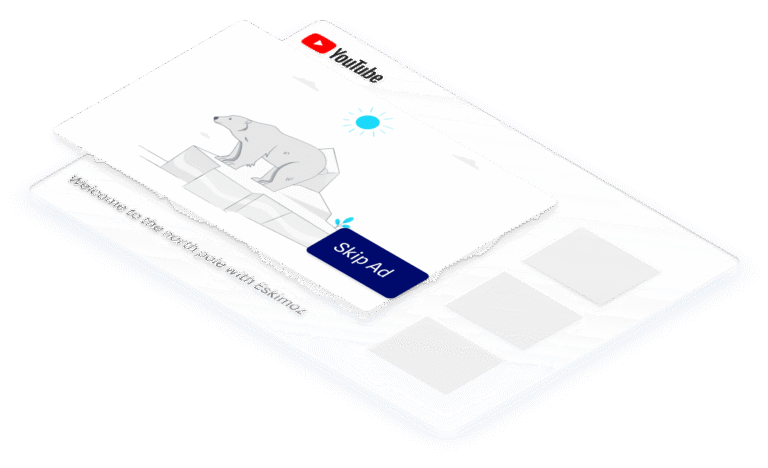
To convey a straightforward message that encourages action (contact, subscription, purchase). Motion design can adapt to various platforms, including television, YouTube videos (pre-roll ads), and digital banners.
Internal communication
To share information with employees within the company through corporate videos, presenting figures, summarising progress, raising specific points, providing updates on projects, etc.
Web page
To create engaging content for a static web page (typically a homepage or landing page) that captures the attention of online visitors, simplifies complex messages, and boosts conversions.
Animated logo
To offer internet users an animated logo that breathes life into the brand and enhances its identity in an original and visually appealing manner, all while captivating the audience’s gaze.
Opening/closing title sequence
To create an opening or closing sequence (intro/outro) for a series of videos, such as a YouTube channel, that showcases its unique style and universe in an original way.
Animated gif
To create original and humorous GIFs that reflect the brand’s identity and values, which can be shared on social media or incorporated into email campaigns.
Why is motion design
such a good content format?
Easy to remember
ADVANTAGE 1 – Thanks to its simplicity and brevity (less than 2 minutes), a motion design video makes it easy for all target audiences to grasp and remember the message. It effectively captures the attention of internet users, making the most of the brief duration of the sequence.
Appeals to a wide audience
ADVANTAGE 2 – Motion design not only leverages the inherent appeal of video content to internet users but also offers the flexibility to adapt to diverse audiences. It can be light-hearted and humorous for B2C targets, or mature and professional for more serious B2B audiences, and more.
Facilitates social communication
ADVANTAGE 3 – With its concise, innovative, and impactful nature, motion design content is perfectly suited for effective communication on social media platforms. It helps increase organic reach, encourages more shares, boosts engagement, and keeps users engaged with a post for longer.
Requires limited investment
ADVANTAGE 4 – While the production cost of a motion design video can vary depending on various factors, it generally remains lower compared to other types of more complex videos, such as live-action with actors or traditional animation. This makes it a more cost-effective investment.
Demystifies complex information
ADVANTAGE 5 – Motion design has the ability to simplify and break down complex and technical subjects into easily understandable messages that resonate with a wide audience. With its concise and engaging nature, an animated graphic video helps to demystify information, making it particularly effective in B2B marketing.
Well-suited to mobile
ADVANTAGE 6 – Mobile devices have become the primary platform for browsing the web and consuming videos, with over half of video views happening on mobile. A motion design sequence offers the distinct advantage of being compatible with any device, easily shareable among users, and short and impactful enough to be consumed on the go.
Boosts conversions
ADVANTAGE 7 – Motion design directly influences conversions by compelling viewers to take specific actions, such as clicking on links, completing forms, subscribing to newsletters, or making purchases. When integrated into a landing page, this type of animated content can significantly increase conversion rates by over 80%.
Enhances brand image
ADVANTAGE 8 – Utilising motion design content helps create a dynamic, innovative, and authentic brand image that captures the attention of consumers. It also fosters stronger employee engagement, as they feel a greater sense of pride and alignment with the company culture, making them more inclined to actively participate and advocate for the brand.

How to create a motion design video
Creating a motion design video requires planning!
The art of motion design is known for its straightforward production process. Unlike live-action videos, which involve renting expensive recording equipment and hiring a filming crew, a motion design sequence is crafted by a skilled graphic designer working on a computer, supported by an art director who ensures the perfect blend of substance and style. However, not everyone can easily master graphic animation. Creating such a video demands solid technical expertise and the use of top-quality tools for graphic design, editing, sound effects, and possibly special effects.
Creating a motion design video: step-by-step
How is a motion design sequence brought to life? Let’s use a sub-2-minute video as an example:
4 successful examples of motion design videos.
Finding inspiration to engage your target audience
Motion design offers the opportunity to create value around a product, service, message, or project. It generates excitement among consumers and aids in comprehension and memorability. In essence, it’s a way to generate buzz for your company or brand and ensure a lasting impression on the audience. But what type of video should you create? What approach should you take? For inspiration, we’ve handpicked four examples of content crafted by renowned international brands to demonstrate the possibilities presented by motion design.
Traffic jams for dummies
Ford
The renowned American automaker has released an educational video aimed at grabbing drivers’ attention and shedding light on the true causes of traffic congestion: driving behaviours, driver attitudes, and poor road habits. Lasting 2 minutes, the sequence adopts a lighthearted and whimsical tone to address a significant issue, while offering practical solutions for the present and a glimpse into the future (highlighting the potential of autonomous vehicles). The video’s rich visual style, featuring flat design graphics and vibrant colour schemes, enhances its effectiveness, making the message straightforward yet brilliantly executed.
Self-promotion with humour
McDonald’s
On World Car-Free Day, McDonald’s produced a full-motion design animation that skillfully blends humour and self-promotion. Through a series of vignettes, various characters collect their orders at the Drive-Thru using increasingly outlandish modes of transport, including scooters, rollerblading unicorns, turtle-drawn carts, sailboats, elephants, and shopping trolleys. Conceptually, the video strikes the perfect balance between amusement and effectiveness, delivering a clear and easily memorable message. Each scene showcases a distinct graphical style, adding visual variety and flair. McDonald’s cleverly aligns itself with a worthy cause, encouraging consumers to leave their cars behind… while still stopping by the Drive-Thru!
The story of a brand through motion design
Apple
In this retrospective video released during an Apple Event in 2019, the iconic Apple brand chooses to narrate its history by showcasing the products and innovative features that have led to its success. Within 1 minute 40 seconds, the video takes us on a journey through a highly stylised graphical universe, characterised by its simplicity (2D animations against a grey background), impeccable transitions and sound design, and a mesmerising play on geometric shapes. The content reflects the elegance of Apple products and highlights their aesthetic quality.
Pragmatism above all else
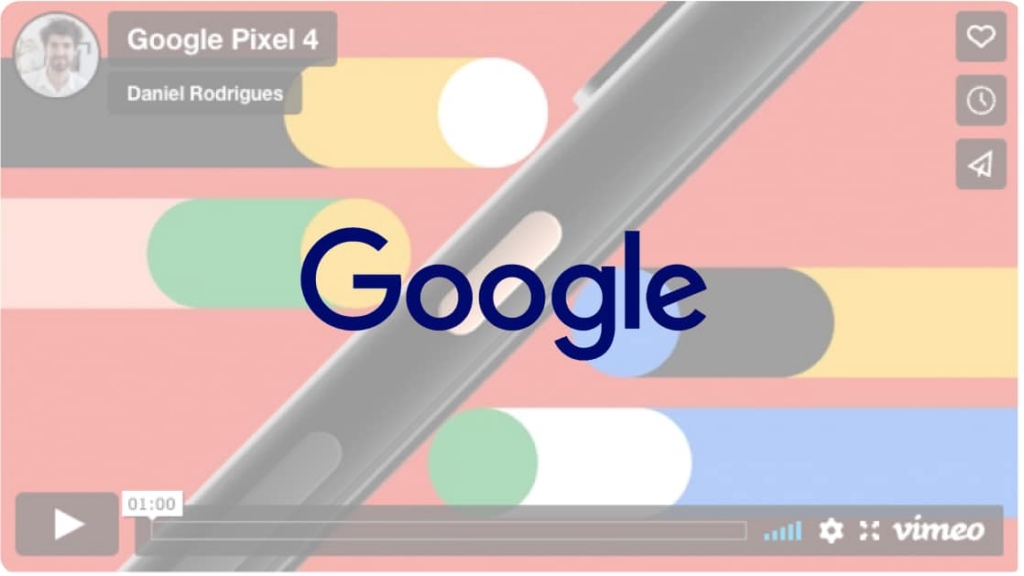
When Google creates a video to introduce its latest phone model (the Pixel 4), the result lives up to expectations. With smooth animations, seamless transitions, an art style in line with Google’s aesthetic, and a focus on showcasing the brand’s universe in all its aspects, this product presentation video stands out for its resolutely pragmatic approach. Instead of simply showing the phone itself, the video emphasises its features and highlights tangible benefits for users, striking a balance between promotional content and a tutorial. Ultimately, it’s a highly engaging piece of content that sets itself apart from the competition.
Our Commitment
Expertise
Since 2010, we have worked with over 2000 clients across 90 countries.
Passion
We are a team of passionate, industry-focused individuals who are committed to your success.
Performance
We’re committed to implementing a data-driven strategy, making a real impact on your bottom line by providing avenues for growth.
Any questions?
What is the purpose of motion design?
Motion design is becoming increasingly popular among businesses and brands as a graphic animation technique. This innovative content aims to capture the audience’s attention, simplify complex messages to make them more accessible, and enhance memorability. From a creative standpoint, motion design offers almost limitless possibilities, as all it takes is a computer and suitable software to create a captivating sequence.
What types of content can be created with motion design?
Motion design can take various forms and cater to diverse audiences. This technique enables the creation of explanatory or promotional videos, tutorials, commercials, corporate videos for internal communications within companies, animated logos, dynamic sequences for website pages, opening credits, and even GIFs.
How can I create a motion design video?
Creating a motion design video is not a task for the inexperienced. It requires having the right tools, including suitable creative software, and meticulously following the key stages of such a project: creative brief, script, storyboard, layout design, animation, sound design, subtitling, and compilation. The work is undertaken by a graphic designer who maintains constant communication with their client and may involve the supervision of an art director.
Let’s talk